Why Filmmakers Shouldn’t Let AI Design Their Movie Posters
Why using AI to design a film poster is a bad idea
2 min read
Purpose
To clarify why filmmakers should rely on experienced graphic designers—not AI tools—when creating movie posters that effectively market and represent their films.
Scope
This applies to independent filmmakers, studios, and producers seeking to create key art that resonates with audiences, sells tickets, and communicates the tone of a film.
Procedures
A movie poster is not just decoration—it’s a strategic marketing asset. It must communicate genre, tone, story, and emotional pull in a single glance. That requires more than image generation; it demands interpretation, experience, and intent.
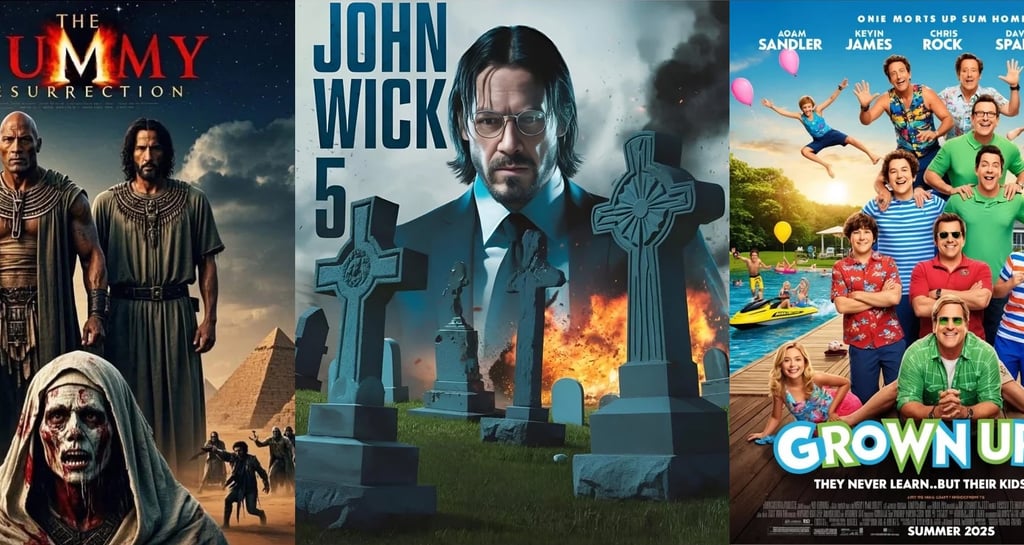
AI-generated design tools may seem fast and cost-effective, but they flatten the creative process. They rely on patterns, not perspective. They remix what already exists rather than crafting something purpose-built for your film’s unique identity. The result is often generic, visually inconsistent, and disconnected from the deeper themes of the story.
An experienced, art-trained graphic designer brings something AI cannot: judgment. With years—often decades—of hands-on work in film marketing, they understand composition, typography, color theory, and visual hierarchy at a professional level. More importantly, they understand how audiences perceive imagery and how to position a film in a crowded marketplace.
Designers also bring fluency in artistic techniques—whether inspired by classical painting, photography, or modern digital workflows—and know when to apply each approach. They don’t just “make something look good.” They shape perception, guide emotion, and build intrigue.
There’s also a matter of collaboration. Graphic designers interpret your film through conversation, feedback, and iteration. They challenge ideas, refine concepts, and ultimately deliver work that aligns with both creative vision and commercial goals. AI bypasses this dialogue entirely. It produces options, not solutions.
Filmmaking is a collaborative art form. Directors trust cinematographers to light a scene, editors to shape pacing, and composers to score emotion. Graphic design deserves that same trust. Just as a designer wouldn’t tell a director how to frame a shot, filmmakers should avoid micromanaging visual marketing through automated tools.
Exceptions
AI can be useful for early-stage brainstorming, mood boards, or internal concept exploration. However, it should not replace the role of a skilled designer in final poster creation or campaign development.
Conclusion
Your poster is often the first—and sometimes only—chance to capture an audience’s attention. Treat it with the same level of craftsmanship as the film itself. Trust a professional designer to create work that doesn’t just exist, but connects, persuades, and sells.