Movie Poster Masterclass: From Proof-of-Concept Movie Poster Design to Investor Pitch Deck
Discover how Big Picture Co. developed grindhouse-inspired key art, proof-of-concept movie poster designs, to an investor pitch deck, and social media concepts for an independent LGBTQ action film.
12/19/20259 min read
1. Why the Filmmaker Chose Big Picture Co.
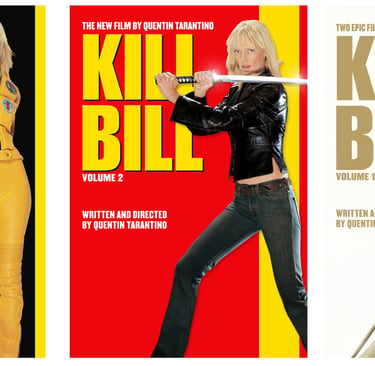
The filmmaker first contacted me after discovering that I had created the award-winning key art for Kill Bill: Volume 1and Kill Bill: Volume 2. My background in entertainment advertising and my experience creating grindhouse-inspired movie posters with an authentic vintage, retro feel were pivotal in her decision to collaborate with Big Picture Co.
There was also a personal connection to the material. I have a genuine love for action films that are blood-soaked but beautiful — movies that embrace bold imagery, striking compositions, larger-than-life characters, and the visceral energy of exploitation cinema.
That appreciation for the genre, combined with my experience creating cinematic key art, made this project a natural fit.
The filmmaker wanted artwork that captured the spirit of vintage grindhouse cinema while establishing a distinctive identity for her own film. The challenge wasn't simply to make the posters look old. It was to recreate the attitude, atmosphere, and visual impact of that era while developing artwork that communicated the film's particular story and point of view.
For independent filmmakers, finding the right movie poster designer is about more than technical ability. It's about finding a creative partner who understands the genre, shares your visual sensibilities, and can translate your ideas into compelling artwork.

Movie Poster Masterclass: From Proof-of-Concept Poster to Investor Pitch Deck
A Case Study in Grindhouse-Inspired Key Art for an Independent LGBTQ Action Film
How do you create a compelling movie poster for a film that hasn't been made yet? For independent filmmakers seeking investors, proof-of-concept key art can help turn a script and a creative vision into something tangible — an image that communicates the film's tone, introduces its characters, and gives potential investors a glimpse of what the finished movie could become.
In this installment of the Movie Poster Masterclass series, I'm sharing the creative process behind an independent LGBTQ action film, from the initial character research and stock photography to a series of vintage-inspired movie posters and a pitch deck designed to help the filmmaker present her project to potential investors.
It's also an example of how independent movie poster design can extend beyond a single image to establish a film's visual identity and begin shaping its marketing campaign before production is complete.


2. Starting With a Synopsis and Actress Headshots
When the project began, I had a synopsis and headshots of the lead actress. There were no finished production stills or completed film scenes to draw from.
This is a common challenge for independent filmmakers developing proof-of-concept materials. You may have a script, a cast, and a clear idea of the movie you want to make, but you still need to communicate that vision to someone who hasn't read the script or met the characters.
I started by breaking down the story and considering how the lead character could be presented visually. What should her wardrobe communicate? What kind of attitude should she project? What visual language would establish the film as a hard-edged action movie with a vintage grindhouse sensibility?
To explore those questions, I began sourcing reference images of women with guns in different outfits. I assembled a library of potential character looks and presented the options to the filmmaker.
Together, we explored the wardrobe possibilities and roughed out costume directions that felt appropriate for the character and the world of the film.
This preliminary research gave us a visual starting point before we began building the actual poster compositions.
The lesson for filmmakers: You don't necessarily need a complete set of production stills to begin developing your movie poster. A synopsis, character references, and a clear discussion of tone and genre can provide enough information to start exploring a visual concept.
3. Building the World Through Stock Photography
With the character's look beginning to take shape, I moved on to developing the environment around her.
I sourced stock photography from Shutterstock, Getty Images, and Adobe Stock, searching for images that could establish the atmosphere and setting of the film. This included dark alleyways, a panoramic view of the city where the story takes place, and other environmental elements that helped establish the film's cinematic world.
The goal was to create a believable setting that supported the story rather than simply placing the actress against an attractive background.
I also replaced or adapted key details, including weapons and vehicles, to reflect the period in which the film is set. These details are important when creating convincing period-inspired artwork. A vehicle or weapon that doesn't belong to the era can disrupt the illusion and undermine the authenticity of the entire composition.
Stock photography gave us access to a broad range of visual possibilities without requiring a large-scale production shoot just to explore the concept.
But stock images are only raw materials. The real design work lies in selecting the right photographs, combining them thoughtfully, and making the lighting, perspective, color, and atmosphere feel cohesive.
My objective was to create a cinematic image that looked like it belonged to a fully realized film — not a collage of unrelated photographs.


4. Collaborating With the Director on Custom Photography
As the concept developed, the director took photographs of locations and worked with her actress to capture images in wardrobe inspired by the costume directions we had discussed. She also explored poses that supported the character and the action-driven aesthetic.
This gave us additional source material created specifically for the project.
The stock imagery helped establish the world and explore different visual directions, while the new photographs gave us more control over the character's appearance and how she would interact with the composition.
This kind of collaboration can be particularly valuable when developing proof-of-concept key art. A designer can identify the types of images needed, but a filmmaker can help make those images possible by arranging a focused photo session, exploring wardrobe, and photographing useful locations.
You don't necessarily need a full production crew or an expensive photo shoot. Even a modest, carefully planned session can provide material that makes a concept more specific to your film.
The key is to plan the photography with the final artwork in mind. Think about the character's pose, the direction of the lighting, the space needed for the title, and whether the image will allow the designer to create the composition the story requires.


5. Creating 1970s Grindhouse-Inspired Movie Posters
With the imagery assembled and the creative direction established, I developed a series of posters inspired by the look and feel of 1970s grindhouse cinema.
I wanted to capture that era's bold, visceral approach to action movie advertising — the dramatic compositions, heightened atmosphere, provocative attitude, and tactile vintage character that made exploitation-era posters so memorable.
The goal was not to create a generic retro treatment. The artwork needed to feel authentic to the genre while establishing a visual identity that belonged to this particular film.
I explored different compositions and developed taglines to help communicate the concept. A strong tagline can work hand in hand with the image, adding another layer of storytelling and helping viewers understand the tone of the film at a glance.
The series allowed us to explore different ways of presenting the project rather than relying on one image to communicate every aspect of its identity.
For a film seeking investment, this can be particularly useful. Proof-of-concept artwork offers a way to visualize the filmmaker's intentions and give potential investors something memorable to associate with the project.
The poster becomes more than an illustration of the story. It becomes a statement about the kind of movie the filmmaker intends to make.


6. Turning the Key Art Into an Investor Pitch Deck
Once the key art was complete, I extended the visual direction into a pitch deck that the filmmaker could present to potential investors.
The deck included comparable films and a mood board to help communicate the project's intended aesthetic, genre positioning, and creative direction.
Comparable titles can help investors understand where a film fits within the marketplace and what kinds of audiences it may appeal to. A mood board provides a visual reference for the intended atmosphere, style, and overall cinematic experience.
The completed key art gave the presentation a strong visual anchor. Instead of relying solely on written descriptions and verbal explanations, the filmmaker could show potential investors a considered interpretation of the film's identity.
A film pitch deck needs to do more than look attractive. It should communicate the filmmaker's vision clearly and help the reader understand the project being presented. Consistent visual language across the cover, reference imagery, and supporting slides helps make that presentation feel cohesive and intentional.
For independent filmmakers, professional pitch deck design can help bridge the gap between having a compelling idea and presenting that idea in a polished, visually engaging way.


7. Developing Social Media Concepts Before the Film Is Made
The pitch deck also included social media campaign concepts, giving potential investors a glimpse of how the film could be marketed and how its visual identity could extend beyond the poster.
This project had a distinctive positioning opportunity: an LGBTQ action film that challenged stereotypes and pushed against conventional genre boundaries.
We wanted the marketing concepts to communicate that point of difference and help illustrate how the film could generate interest around its identity, attitude, and approach to the action genre.
The social media concepts demonstrated how the poster's visual language could carry into promotional materials, creating a recognizable look across different campaign touchpoints.
This is an important consideration for independent filmmakers. A movie poster shouldn't necessarily exist in isolation. It can provide the visual foundation for teaser graphics, character reveals, promotional crops, announcement posts, and other campaign assets as the film moves toward production and release.
Thinking about these possibilities early can help filmmakers explain their marketing vision to investors. It shows that they are considering not only what the film will look like, but also how they intend to introduce it to an audience.
For a project with a distinctive identity, that early thinking can be especially valuable in communicating what sets the film apart.
What Independent Filmmakers Can Learn From This Case Study
This project demonstrates how proof-of-concept movie poster design can become part of a broader development and marketing strategy.
You may not have a finished film, a full set of professional stills, or a substantial marketing budget. You can still begin developing a visual identity by working strategically with the materials available and identifying what additional photography and creative resources will strengthen the concept.
Here are five practical lessons to consider:
Find a designer who understands your genre. The right creative partner brings more than software skills. Genre knowledge, visual references, and a genuine understanding of the film's tone can make a meaningful difference.
Start developing your key art early. A synopsis and character references can provide a starting point for proof-of-concept artwork before production is complete.
Plan photography around the poster. Intentional wardrobe, poses, and location images can provide valuable source material, even when you're working with limited resources.
Build a consistent visual identity. Your poster, mood board, pitch deck, and social media concepts should feel like parts of the same project.
Consider marketing alongside development. Thinking about audience positioning and promotional opportunities early can help you communicate the project's potential to investors.
The Poster Is the Beginning, Not the End
This collaboration began with a synopsis and actress headshots. Through research, carefully selected stock photography, collaboration with the director, and a series of vintage-inspired key art concepts, we developed a visual direction that could extend into an investor pitch deck and social media campaign concepts.
The filmmaker came to Big Picture Co. because of my award-winning Kill Bill key art, my experience with grindhouse-inspired design, and a shared appreciation for action cinema that is as visually striking as it is visceral. Those common creative instincts helped establish the foundation for our collaboration.
For independent filmmakers, proof-of-concept movie poster design can be an opportunity to do more than visualize a film that hasn't been made yet. It can help establish a creative direction, communicate a project's identity, and begin connecting the film's story to its future audience.
At Big Picture Co., I approach the movie poster as the anchor for a larger visual campaign — one that can help a filmmaker present a project, communicate its point of difference, and prepare for the next stage of its journey.
Developing an independent film? Big Picture Co. works with filmmakers on movie poster design, proof-of-concept key art, film pitch decks, and connected visual marketing concepts. Whether you're preparing to approach investors or developing the visual identity for an upcoming production, the process can begin with a story, a vision, and a conversation about how to bring them to life.


To view original independent movie poster designs, click here: https://bigpictureco.net/independent-film-posters-portfolio
To see just how reasonable our pricing is, click here: https://bigpictureco.net/indie-film-poster-design-checkout
Creative agency for independent film marketing and movie poster design.
Impactful Collaborative Design
email: steven@bigpictureco.net
© 2025. All rights reserved.